The Science of Scalp Care: How Stress, Sleep, and Blood Circulation Impact Hair and Brain Health
 · 4 min read
Introduction
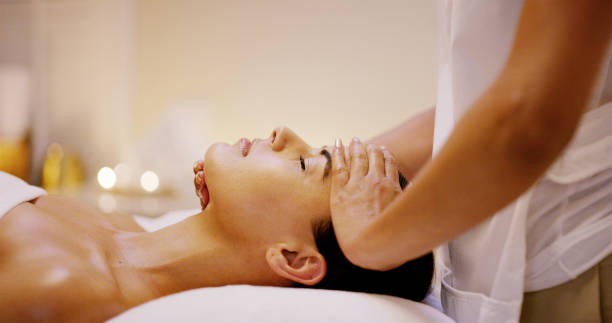
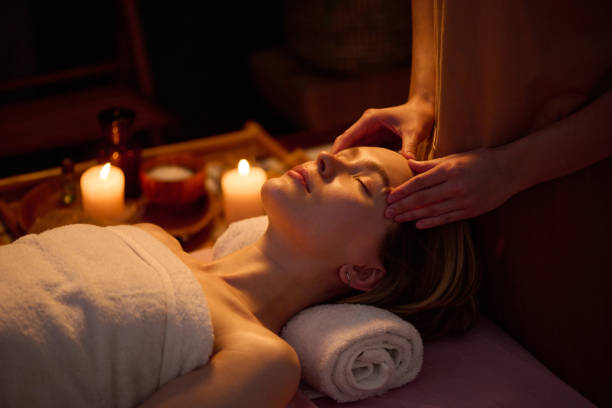
In recent years, scalp care and head spa treatments have gained recognition not only as beauty rituals but also as wellness practices that influence both hair and brain health. Modern research in dermatology, neurology, and psychology suggests that the condition of our scalp is closely linked to stress regulation, sleep quality, and blood circulation. Understanding these connections provides scientific grounding for why scalp treatments can be a vital component of holistic health.
Stress and the Scalp–Brain Connection
‣ How Stress Affects Hair Follicles
Chronic stress activates the hypothalamic–pituitary–adrenal (HPA) axis, releasing cortisol into the bloodstream. Elevated cortisol can disrupt the normal growth cycle of hair follicles, leading to conditions such as telogen effluvium (stress-related hair shedding).
- A study published in Nature (2017) showed that stress hormones can suppress the activation of hair follicle stem cells, preventing hair regeneration.
- Researchers from Harvard University (2020) confirmed that sustained stress impairs the dermal papilla’s ability to signal follicle growth, accelerating thinning and hair loss.
‣ Scalp Tension and Brain Fatigue
Stress also increases tension in the scalp and neck muscles. Over time, this reduces blood and oxygen flow to the scalp and brain. Clinical observations show that patients under chronic stress often report headaches, scalp tightness, and even impaired concentration.
- A 2018 review in the Journal of Clinical Neuroscience highlighted that scalp muscle relaxation can improve cerebral blood flow and reduce tension-related headaches.
Sleep Quality and Scalp Health
‣ The Role of Sleep in Hair Growth
Deep sleep (non-REM stage) is when the body enters a restorative phase, releasing growth hormone (GH) that is essential for tissue repair, including the hair follicles. Poor sleep reduces GH secretion and accelerates follicle miniaturization.
- According to the American Academy of Sleep Medicine, adults who sleep less than 6 hours per night are twice as likely to experience hair loss compared to those with 7–8 hours.
- A 2015 Japanese study found that sleep deprivation increased oxidative stress in hair follicle cells, leading to premature aging of the scalp.
‣ Sleep and Brain Detoxification
Sleep also clears toxins from the brain via the glymphatic system. When disrupted, neurotoxic proteins such as beta-amyloid can accumulate, impairing memory and cognitive performance. Since scalp circulation and brain function are intertwined, poor sleep not only affects the mind but also the scalp’s cellular health.
Blood Circulation: The Lifeline for Hair and Brain
‣ Why Circulation Matters for Hair
Hair follicles are among the most metabolically active structures in the body, requiring constant nutrient delivery. Poor scalp blood flow reduces oxygen and essential nutrients, weakening hair shafts and increasing shedding.
- A 2016 Korean study demonstrated that patients with androgenetic alopecia had significantly lower scalp blood perfusion compared to healthy controls.
- Improved circulation via massage increased follicle thickness and density over a 6-month trial.
‣ Circulation and Cognitive Health
The same circulatory system that nourishes hair also supports brain function. Reduced cerebral blood flow is associated with cognitive decline and fatigue. Gentle scalp stimulation through massage has been shown to increase parasympathetic nervous activity, lowering heart rate and improving relaxation.
- In a 2019 randomized trial (Frontiers in Psychology), participants who received 15 minutes of scalp massage showed decreased cortisol and increased heart rate variability (HRV)—both indicators of stress resilience and improved cognitive function.
Practical Takeaways for Wellness
‣ Stress Management Through Scalp Care
- Incorporating weekly scalp massages can reduce cortisol levels and scalp tension.
- Aromatherapy oils such as rosemary and peppermint have been shown to further enhance circulation and relaxation.
‣ Sleep Hygiene and Hair Health
- Establishing consistent sleep routines supports both hair growth cycles and brain detoxification.
- Head spa sessions before bedtime may improve melatonin release, aiding deeper sleep.
‣ Improving Circulation Naturally
- Regular physical activity, hydration, and head massage synergize to boost blood flow.
- Acupressure points around the scalp and neck can stimulate circulation and relieve tension.
Conclusion
The science is clear: scalp health is inseparable from stress management, sleep quality, and circulation. By caring for the scalp, individuals are not only promoting hair vitality but also enhancing brain function and emotional well-being. Integrating scalp treatments into a wellness routine can therefore serve as both a preventive healthcare strategy and a therapeutic ritual for modern lifestyles.